Cloud Floating Places in Kodaikanal | Best Viewpoints for Floating Clouds
- Elakki Fog Heaven

- Dec 30, 2025
- 3 min read
There are moments in Kodaikanal when the mountains seem to rise above the sky itself. On misty mornings and after gentle rains, thick clouds drift below hilltop viewpoints, creating the magical illusion of clouds floating beneath your feet. This rare phenomenon is one of the most soul-stirring sights in the Palani Hills and a major reason travellers seek out cloud floating places in Kodaikanal.

In this guide, you’ll discover the best locations, ideal timings, and insider tips to experience this breathtaking natural spectacle.
Cloud Floating Places in Kodaikanal
Why Kodaikanal Is Famous for Floating Clouds
Kodaikanal sits at an altitude of over 2,100 meters, where temperature drops, valley depth, and moisture-rich winds combine to create frequent low-level cloud formation. During early mornings or monsoon transitions, clouds settle into the valleys instead of rising — making it feel as if the hills are floating above the sky.
This natural setup makes Kodaikanal one of South India’s most reliable destinations for cloud inversion views.
Best Time to See the Floating Clouds Effect
Early Morning: 5:30 AM – 8:00 AM
Season: October to March (peak), June to September (occasional)
Weather: After light rain or on cold, foggy mornings
Wind: Calm or slow-moving winds offer longer cloud stays
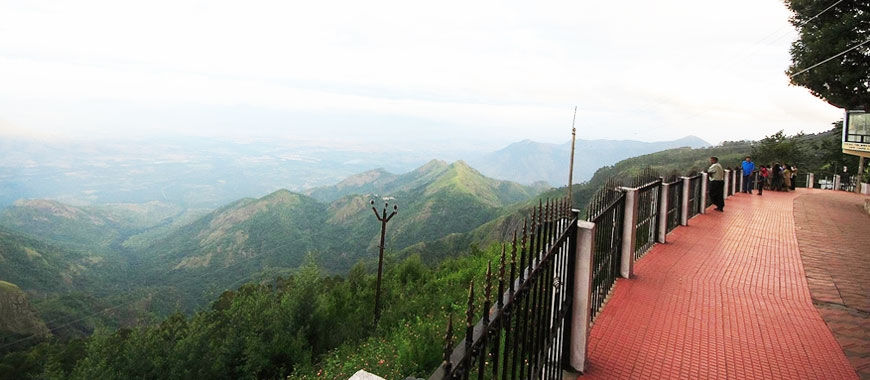
Coaker’s Walk – Classic Cloud Blanket Views
This narrow pedestrian path offers one of the easiest and most reliable spots to witness floating clouds. On misty mornings, clouds drift slowly through the valley, sometimes completely hiding the town below.
Why it’s special:
Easily accessible
Ideal for slow walks and photography
Best for first-time visitors
Read more about: Coaker’s Walk Kodaikanal: Best Time, Entry Fee, and Travel Tips
Moir Point – Clouds Rolling Over Valleys
Moir Point feels raw and dramatic, especially when thick clouds move swiftly through deep valleys. The experience here feels cinematic, with clouds rising and dissolving around the viewpoint.
Best time: Early morning during winter or post-monsoon days.
Poombarai Viewpoint – Clouds Over Terraced Fields
When clouds descend into Poombarai valley, the village looks like it’s floating in the sky. Terraced farms peek through moving clouds, creating a surreal and peaceful scene.
Why photographers love it:
Layered landscapes
Slower cloud movement
Natural framing with hills
Dolphin’s Nose – Floating Clouds with Dramatic Cliffs
This adventurous viewpoint offers a thrilling perspective of clouds rising from deep ravines. When the mist clears briefly, the clouds appear to move like waves below the cliffs.
Note: Visit only during safe weather conditions.
Green Valley View – Clouds After the Rains
Formerly known as Suicide Point, this viewpoint becomes magical after rainfall. Dense clouds often blanket the valley, offering a dramatic floating-cloud effect when visibility opens momentarily.
Tips to Capture Floating Clouds Safely
Wear warm layers — temperatures drop quickly
Avoid standing too close to edges during fog
Use slow-motion video to capture cloud movement
Be patient — clouds appear and disappear rapidly
Respect local safety warnings and barriers
Conclusion
Experiencing floating clouds in Kodaikanal feels like stepping into a dream. Whether you’re walking quietly along Coaker’s Walk or standing at a remote village viewpoint, these moments remind you how powerful and poetic nature can be. If you’re chasing misty mornings and cloud inversions, these cloud floating places in Kodaikanal promise memories that linger long after the fog fades.
FAQs
1. When can I see floating clouds in Kodaikanal?
Early mornings between October and March offer the best chances, especially after rainfall.
2. Are floating clouds visible every day?
No. The phenomenon depends on temperature, humidity, and wind conditions.
3. Is winter the best season for floating clouds?
Yes, winter mornings provide stable cloud formations and clearer views.
4. Are these viewpoints safe during fog?
Most are safe if you stay within designated areas and avoid edges during low visibility.


Comments